Welcome to
Chris Brady’s
Blog

“The only way to be happy, is to give happy.”

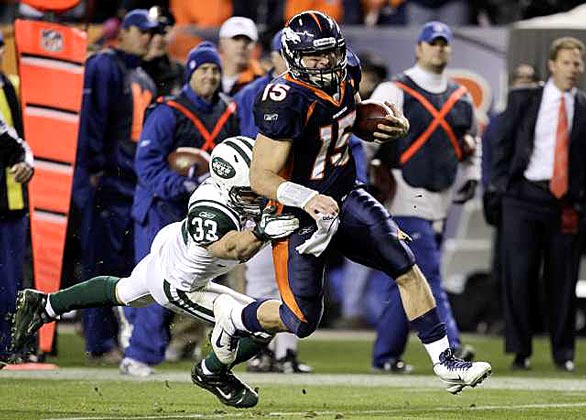
  • Tim Tebow by Chris BradyAs a father I am constantly on the lookout for lessons, stories, experiences, and role models that will be edifying for the development of my children.  Several years ago, while he was still a surprising sensation at the University of Florida, Tim Tebow came onto my radar screen. There was something attractive about his relentless drive for excellence, his incredible work ethic, his will to win, and his unflappable attitude. I also appreciated his testimony as a Christian.

    Watching Tim Tebow go from being the youngest winner of the Heisman Trophy to a number 1 draft pick in the NFL was a source of excitement for my young boys. I felt comfortable allowing them to watch his interviews, read his book, and listen in to his exploits as he transitioned into the professional ranks.  Tim Tebow, a home schooled missionary’s kid who preaches at prisons and responds openly and honestly to crass questions from interviewers and critics alike, seemed the perfect role model for my children.

    But something was amiss.

    As Tebow put on his NFL cleats a disturbing chatter seemed to grow around him. It seemed that the football “experts” were breaking their necks trying to see who could be more critical of young Tebow and his abilities. They railed against his throwing motion. They railed against his accuracy. They laughed at Josh McDaniels, the then NFL head coach of the Denver Broncos who drafted Tebow in the first round. And they even poked fun at his faith and his purity. My children were learning hard lessons from this, but I guess that’s what role models are for. 

    “Why are they saying so many negative things about him, Dad?”

    “Those people sure are being mean to him.”

    And on it went.

    Then nearly a year went by before he got his real shot. There were flashes of excitement in a couple starts his first season, but Tebow didn’t win the starting job and was sitting on the bench as the first five games of his second professional season rolled by. Finally, however, Tebow had waited patiently and prepared in obscurity long enough. His opportunity arrived, and just five games into the 2011 regular season, with the Broncos languishing at 1 and 4, Tebow was given his chance.

    But nothing is that easy, not even in fairy tales. Tebow’s play seemed to justify the claims of the critics. He missed wide-open receivers. He overthrew easy passes. He fumbled. He got sacked in the backfield. He rolled up terrible statistics the likes of which no NFL quarterback could expect to post and still retain his job. All the while the critics howled with their “I told you so’s.” However, one thing Tebow did was win. In fact, his whole team seemed to start playing better. The defense stepped up to an unbelievable level. Receivers started making stupendous catches. Running backs started nearly defying gravity. And Tebow himself seemed to come alive when the pressure was the greatest and pull victory out of the jaws of defeat – several times.

    I am writing this article a bit early. Althought Tim Tebow and the Denver Broncos have won four out of the last five games, anything could still happen and they could end up at the bottom of their division. Their near-miss wins could easily start turning to losses, and if that happens, I have no doubt whatsoever the critics will have a field day once again.

    None of that matters, however, because Tebow has already proven something extremely valuable, namely, that while people talk about lack of skill they should never underestimate the power of will. What Tim Tebow brings is leadership. He has that special ability to energize a team of players to each perform at their very own personal best. He inspires, instills confidence, and makes those around him believe that anything can happen if they just have faith. While the statistics bemoan his performance, Tebow proves again and again that there are some components in victory that can’t be measured. There are intangibles to greatness that come from deep within, that defy the odds and mystify prognosticators, and that just simply can’t be contained.

    Leadership matters.

    Character matters.

    Attitude matters.

    The will to win matters.

    Critics, however, don’t matter.

    Tebow has shown all this and more. I personally hope he keeps on winning in his unconventional way, in front of the NFL experts who so haughtily claimed “That’s not the way it’s done here.” The world needs to understand that unconventional doesn’t mean wrong, inadequate, or below grade. Unconventional just may mean revolutionary. 

    They said Tim Tebow wasn’t ready for the NFL.

    Perhaps the NFL wasn’t ready for Tim Tebow.


  • Below is another excerpt from my upcoming ITALY book (chapter 19). 

                One of the ways I’d sold this whole month of Italy concept to Terri was by emphasizing its educational aspects.  Partly due to our regular travel schedule, and also the fact that we insisted on living in two states at once, we had thus far entirely home schooled our children.  This had many benefits and effects on our family life, one of which was to turn us into opportunists always on the lookout for ways to teach.  So my sales pitch was an easy lob across the plate: What could be more educational than to go and see in person many of the things one normally only gets to read about in books? It was a strong argument, of course. 

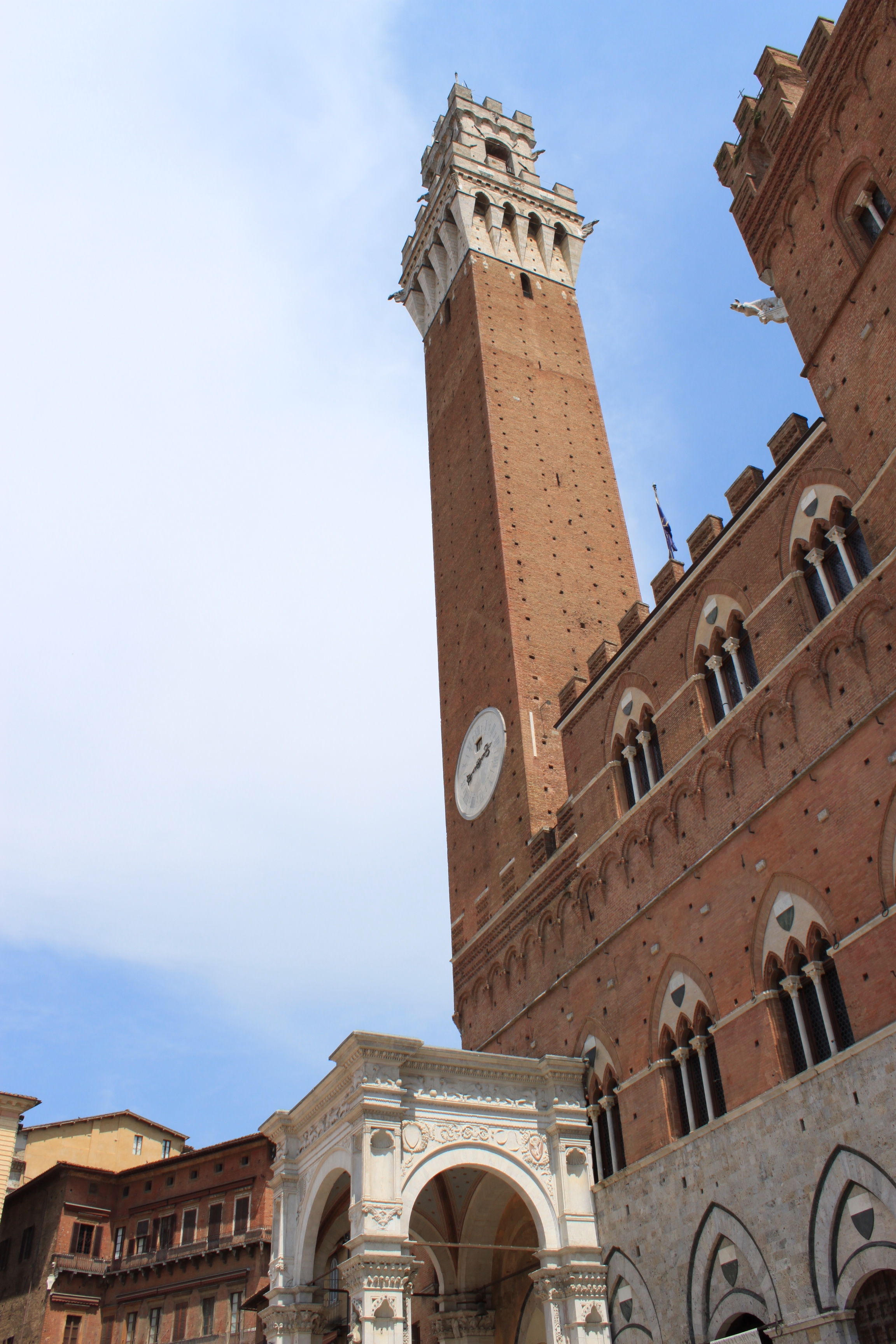
    Art, History, and Michael Jackson by Chris Brady While in Siena, as we were touring the magnificent town hall called the Palazzo Pubblico, a project to restore some of the building’s many fabulous frescoes was underway.  Christine stopped cold in her tracks when she noticed a college-aged woman lying on her side on the floor, carefully applying freshening color to a border originally painted over six hundred years prior.  This gave us the spontaneous opportunity to explain to our children the process of painting en fresco,wherein the artist applies the paint to the wall as its freshly laid plaster is still drying.  In this way, the art is applied into the wall and not merely onto it.  For this reason, the art is much more durable throughout the centuries.  Fortunately for us, and the world, the Renaissance painters from Michelangelo to Raphael painted almost entirely en fresco.  This was a moment of art history at its best. 

     This one little lesson inspired a search for art supplies and resulted in several afternoons of drawings and sketches.  Nathaniel and Christine each drew and colored fabulous renderings of the temples from Poseidonia, complete with fluted columns and admiring tourists.  J.R. drew a colorful rendition of his own, and Casey took a little table and chair out into the yard and made a near perfect sketch of La Contea.

                On another occasion, right around bedtime, Casey sat on the small love seat adjoining the desk I’d set up as my temporary office.  “Dad,” he inquired, “how come my allowance is worth so much less in Euros than it is in Dollars?”  I was glad he was seated, because my answer would take a bit of explaining.  As I launched into one of my favorite topics, Nathaniel heard what was going on and joined us.  Soon Christine and J.R. were there, too, and now I had eight brown eyes looking at me intently as I explained international monetary policy and the effects of inflation, balance of trade, and currency exchange rates.  I couldn’t believe their concentration level, their uninterrupted attention spans, the incredible teachable moment.  Their questions were pointed, informed, and insightful.  We chatted back and forth for almost two hours when finally Christine said, “Thanks for teaching us about inflation, Daddy.” 

                “How was that for some home schooling?” I asked pridefully of Terri after the kids were in bed.

                “It was fantastic,” she agreed.

                “I couldn’t believe how attuned they were to everything I was saying.  Even little J.R..  I think this trip has awakened in our children the hunger to learn,” I said, never one to miss a chance to reinforce a sale I’d made.

                “Yes, I’d agree.  But there was also another factor at work,” she said.

                “And what was that?”

                “It was bedtime and they were stretching it out.”

                Fast-forward six months after our month in Italy.  We were settling into our new surroundings in North Carolina, having recently sold our home in Michigan.  Terri had taken the kids to an event at a local museum in downtown Raleigh.  As a guide led the group around a corner and into a section of Italian art and history, my kids apparently came alive.  There was a painting of Mt. Vesuvius they recognized immediately.  They were even able to name some of the artists and their works.  As Terri recounted this story to me afterwards, I couldn’t help thinking how satisfying it is for a salesman to hear of his customer’s satisfaction.

                I have long believed that history is critical to a proper understanding of our human existence.  Billions of people have inhabited this place before us, and they’ve left fascinating clues and hints about the lives they lived.  They aren’t just names and places and dates, they were real people just like us.  They felt deeply, suffered terribly, laughed merrily, loved, ate, traveled, thought, raised children, worshipped, wrote, expressed themselves through art, built wonderful buildings, and wrote penetrating thoughts.  I get lost in wonder just pondering the depth and width of human history.  It is mysterious because so much of it is irrecoverable.  Tiny proofs of it are scattered across the globe, leaving often agonizingly incomplete records of what transpired before us.

                History is also one of the most difficult subjects to impart to children.  It takes patience and a deep appreciation of it on the part of the teacher to have any hope of transferring its wonder to the next generation.  Many times as I relate stories from history in my speeches or writings, I run across adults who say they’ve never really understood history before.  “It was always so boring,” they say.  But it is not boring.  History is magnificent and as full of mystery as life itself.  It’s a story without full answers, an unfinished work of art still being crafted each minute of every day.  It was this depth of appreciation I hoped a slow and easy trip through Italy would impart to my children.  But I wasn’t leaving it to chance.

                In my opinion, perspective is the key to appreciating history appropriately.  This must occur through the agency of two other things: geography and a timeline.  I love maps.  In another life I probably could have been a cartographer, holding up in a dusty office in Florence or Genoa, working with parchments and ink, reproducing the territories being discovered by the brave mariners of the late fifteenth century.  Timelines too have been a fascination, the way they provide insights into concurrent events, or the proximity of one event to another.  When looking at timelines I have often been hit with “aha” moments, realizing for the first time, for instance, that the conquests of Alexander the Great were a great connector between the civilization of the ancient Greeks and the Roman republic and empire to follow.  So in the interest of maximizing the impact of our historical touring through Italy, I had decided to use both maps and timelines with the children.

                One day we assembled at the wooden picnic table on the veranda.  With a long, blank piece of paper we together wrote out a crude timeline, showing first the ancient mysterious peoples populating the Italian peninsula, then the Etruscans, next the Romans, followed by the Dark Ages and the rise of the official church, then the Renaissance, and onward up to the present day.  In one sweep, portrayed with colored pencils in the Tuscan sunshine, my kids were treated to the perspective only obtainable through simplification.

                “Now,” I asked, “Where do the frescoes we saw being redone in Siena fit on this timeline?”

                A little finger came forward and rested on a spot.

                “Almost,” I answered, then was able to give some explanation.

                “How about the ruins we saw in Poseidonia? Where do they fit on here?”

                This time the point was accurate.  I continued with these kinds of questions until I noticed boredom creeping in.

                Next I flipped over the crude timeline and drew an even cruder map of Italy.  It was at this point I was thankful we weren’t taking a month in Hungary, or Poland, boots being so much easier to draw than livers or spleens.

                “Who can point to where we are in Tuscany right now?” I asked.

                Again, out shot a little finger.

                “Good.  And how about where we are on the Amalfi Coast.  Where’s that?”

                Another nearly perfect point.

                I was feeling so good.  This teaching stuff was a piece of cake.  Then I caught myself and realized it wasn’t my teaching ability, and it certainly wasn’t my map or timeline making ability, rather it was the power of being here and seeing it all firsthand.  It was the power of place all over again.

                Next I asked, “And who painted the Sistine Chapel Ceiling?” I was certain they’d get this one easily.  We’d been talking a lot about art history, and one of my favorites of all time is Michelangelo.  Besides, we were planning to go to Rome soon and had been discussing seeing the Sistine Chapel.

                “I know!” yelled Christine full of excitement.

                “Okay, sweetheart, who?” I asked, waiting like every proud teacher to hear a demonstration of the growing knowledge of his pupil.

                “Michael Jackson!” she answered with all the sincerity in the world.


  • Here is a chapter (33) from my upcoming book (working title) A Month of Italy: Rediscovering the Art of Vacation.  I hope you like it.
    Francis of Assisi by Chris Brady            “Preach Christ with all your might, and if you must, use words.”  That little quote, often attributed to St. Francis of Assisi, was the only thing I really knew about the man before this vacation. 

                Other interesting things are also attributed to this rascal believer, including legends that he conversed with the birds and talked a wild wolf out of terrorizing a little mountain town.  The more believable aspects of his life are fascinating enough, however, and the deeper I researched into the life of this little man, the more respect I gained for what he accomplished.

                Born a rich kid whose father was a textile merchant and mother was French, his “normal guy” name was Giovanni Francesco di Bernardone.  Growing up today we might call him Johnny Fran, or something catchy like that.  One can only imagine a life with such a moniker, so Francis did what all rich kids with funny names do; he lived it up.  He went in for all kinds of exciting things, such as fighting in a battle to defend Assisi, getting captured and spending a year in prison, getting seriously ill, recovering, and then taking a trip to Rome to tour St. Peter’s, much as we just did (except he got to see the original basilica, not the “new” one, of course, it being the thirteenth century and all).  Only instead of strolling around admiring architecture and the like, Francis decided to join in with the beggars he saw everywhere.  Apparently this life either appealed to him or appalled him so much he was never the same again.

                When Francis returned home after his pilgrimage to Rome, he refused to go back to his profligate way of life.  As a result, his former friends teased him.  It seems Francis wasn’t interested in playing sports anymore.  When asked if he was planning to settle down and marry, Francis supposedly answered, “Yes. To the most beautiful bride.”  What he meant by this was the bride of poverty.  “Oh, that Johnny Fran is such a jokester,” his former friends no doubt thought.  But they were wrong.  Francis’s vow of poverty was sincere, and his way of life consistent with his new views.   

    He began tending to the needs of the local lepers: the lowliest and most avoided people of his day.  In the church of San Diamano near Assisi he had a vision in which he claims he was told, “Francis, Francis, go and repair my house, which, you can see, is falling into ruins.”  Francis took this vision literally, and launched himself into one of the original fixer-upper projects – the church in which he’d been praying.  Surely pleasing the local priest, Francis began helping with restorations.  He made a little miscalculation, however, when he sold some goods out of his father’s store to pay the construction costs, always exorbitant in Italy, I guess even in his day.  His father didn’t take too kindly to this appropriation, however, and attempted several popular tactics to get restitution, such as assault, battery, and lawsuits.

    In a hearing before the local bishop, Francis renounced his father and his inheritance, in the process even removing every stitch of clothing from his person.  Departing the scene entirely naked, Francis went to live among the beggars once again, this time with a more authentic material situation. 

    Slowly he was able to expand his fixer-upper activities, restoring several more local churches.  Then he heard a sermon that changed his life even further, compelling him to officially renounce a material life and to spread the word that the kingdom of Heaven was at hand.  He dressed in a simple rough garment, which lots of painters have since reproduced, and went around to all the towns in the area preaching repentance and faith in Christ.  Francis was sincere, and by the end of one year had gained eleven followers.  He refused any official ordination as a priest, and he and his followers began to be known as the “lesser brothers,” because they refused to act with pride or take their place above anyone else.

      Of course, such offensive behavior got them in trouble with the powers-that-be – The Church in Rome.  It seems that preaching at the time was illegal unless one had obtained official sanction.  So back Francis and his eleven went to the city that had started it all for him.  Incredibly, and thanks to a dream he’d had, Pope Innocent III gave them an audience and an approval of sorts.  Francis was instructed that as his group grew, they could come back and gain official acceptance from the church.  In other words, “If you can convince more people of your ideas then maybe we’ll be convinced, too,” or something like that.  This quasi-approval from The Church was pretty important because it allowed Francis and his eleven to avoid the complications of being declared heretics.  This was nice, because it allowed them to live, which was very helpful in gaining new followers.

    Francis continued to demonstrate his life of poverty and preach his gospel everywhere he went, many times attempting to spread the message outside of Italy, and even purportedly preaching to the Sultan of Egypt.  His order of followers, ultimately called the Franciscans, spread around the globe, and the order he co-founded for women, called the Poor Claires, was also successful.  Francis was involved in many pioneering movements of the faith, both big and small, including the interesting Trivial Pursuit-type fact that he was the first to set up a three-dimensional nativity scene, complete with live animals.  It was two years after he died that he was officially pronounced a Saint, and therefore got the name he is best known by today: St. Francis of Assisi.  He lived a life consistent with his doctrine and has been a hero of the faith down through the ages.

    As soon as I realized how close we were staying to Assisi, the town made famous by this fascinating man nearly eight hundred years ago, I knew we had to go check it out.  Only a short drive into Umbria past Lake Trasimeno, we began to notice the change in stone color as indicated in all the guidebooks.  Where Tuscany is typically the orange of terracotta tiles and the brown of the stones found throughout the region, stones of pinker and whiter hues characterize Umbria.

    We spotted the gorgeous little town from the expressway, off to our left a few miles away, cozily nestled into the side of a large ridge.  The sun was already running out of steam for the day, and the dimming colors reflecting off the Umbrian stone made a pleasing contrast to the dark green all around the town.  It was beautiful.

    In keeping with form we managed to park in the wrong place, as some polite residents in lawn chairs informed us.  So in standard fashion I unloaded the family and drove down yet another hill in search of a berth for the mini-bus. 

    The first thing that struck us as we shopped our way into the city was just how marvelously clean it was.  This was true of most places we’d been, but for some reason Assisi was so prim we felt as if we were walking around in a dollhouse.  There were also plentiful photo opportunities and I was kept busy at the shutter throughout the evening.  One in particular featured three large, identical trees on a ledge behind a fountain on which two young men wearing fedoras, facing the opposite direction, were posing side-by-side for a photo of their own.  From my angle exiting a small tunnel, it looked like a Beetle’s album cover.  It is still one of my favorite shots I’ve ever taken. 

    It took a searching eye to see the reconstructions and repairs from the devastation an earthquake caused here over a decade ago.  One or two buildings were undergoing massive restorations, but I wasn’t sure if this was the last of the repairs or just more of the type of ongoing construction one sees throughout these towns of old in Italy.

    Terri really got into the shopping in Assisi, finding a monogramming store to customize some aprons for friends and relatives.  We picked up a few more gifts and found a little out of the way place for dinner, taking our seats at long picnic tables in the front by the bar area.  This was also where one had to pay at the end of a meal, and a funny photo opportunity presented itself.  I looked up between my first and second plates to see a nun standing at the cash register waiting to pay her bill.  From my vantage point the cash register was not visible, and it looked like she had sidled up to the bar for a drink.  I decided not to take the picture, she not having actually incriminated herself, and instead enjoyed a private giggle at the arrangement of some of these restaurants.

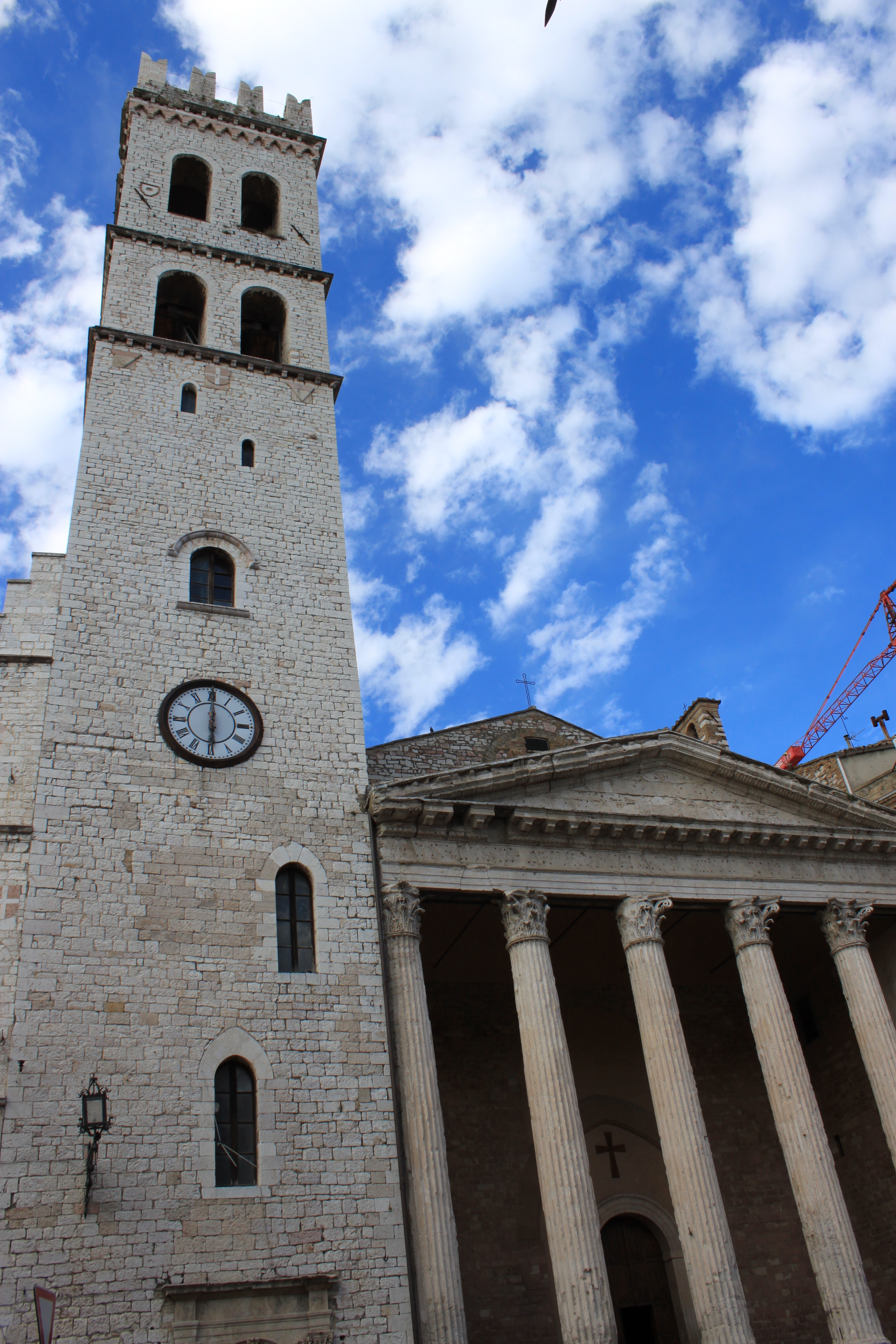
    After dinner we strolled the main streets, and I especially liked the Tempio di Minerva, the remains of a Roman temple dating back to the time of Caesar Augustus.  It has been incorporated as the front of a more “modern” building, an amalgamation done hundreds of years ago.  This made me think of a similar arrangement in Castiglione del Lago, and served as a constant reminder of the many layers of history enveloping us throughout our travels.

    Unfortunately, the hour being late, we ran out of time and light.  I would have loved to have seen the twenty-eight panels of frescoes depicting the Life of St. Francis by Giotto, some of his most renowned work, in their original position in the lower part of the Basilica di San Francesco.  Also in this church rich in art treasures are frescoes by Martini, Lorenzetti, and even Cimabue.  Knowing that we were only scratching the surface with our abbreviated evening visit, I made a mental note to return some day and “do” Assisi correctly.  Besides, with the kids in tow we had bypassed many a museum and church interior during this trip, missing out on huge amounts of painted masterpieces.  Perhaps a future visit, Lord willing, could revolve around an itinerary of Italy’s best frescoes.  Wouldn’t that be a chance at sensory overload.

    I made due with what we had to work with, however, and leaned against a ledge and watched the sunset.  The reflected light from the changing sky almost made the buildings of Assisi glow.  As I snapped a few last photos, trying desperately to capture with the lenses what the senses themselves could barely take in, I thought about the ground upon which I stood.  How many pilgrims had migrated to this city throughout the centuries, searching for inspiration from a man who actually practiced what he preached?  I found it interesting that in a world with no shortage of self-promoting, selfish, greedy, murderous, power hungry, materialistic, and glory hungry people, that a humble, dedicated little man from a tiny hill town could have gained so much acclaim, much less have had such an impact.  About him author Robert Clark wrote, “He’d given Christ a face people hadn’t seen before, the peasant’s face.  Until then Christ had been the Redeemer as the judge and king of the universe: he was painted enthroned, stern and impassive.  Now he was the Redeemer as the man of sorrows, the god who became human to the quick and the marrow in order to lay claim to human wretchedness.”  In fact, in my reading I discovered that many historians believe the “Franciscan revolution” begun by this humble man, which brought people back to a basic, humble faith, served to delay the Reformation by nearly three hundred years. 

    Is it that rare for someone to preach Christ with all his might, and if he must, use words? 

    Maybe. 

    Or perhaps it’s not rare, but obscure “lesser brother” types away from the camera lens of Hollywood or the national news are the ones who do it.

    Or, maybe it’s supremely difficult, requiring the kind of meekness described in the Bible: enormous strength held under control, the animal appetites tamed and subdued. 

    The more I thought about it the more I realized what a tough, heroic figure St. Francis really was.  The thousands of pilgrims throughout the centuries had chosen a worthy figure to emulate on their own journeys homeward, and I was glad to be numbered among them.  

     

  • There is nothing like watching excellence in motion. I am always inspired by greatness in life, by someone who has mastered his or her craft, by professionals at the top of their game. In this mesmerizing video sent to me by my friend Ed Zentner, beautiful videography, music, scenery, and finely honed athleticism combine in a visual poem. I hope you enjoy it as much as I did, and that it inspires you to reach mastery and balance in your own chosen field.  

  • Chris Brady's Hemi JeepMy friend and co-author Orrin Woodward, and fellow founder of Life Leadership, recently posted an article on his blog about the surprise purchase his wife Laurie made of a custom convertible Dodge Challenger for him. It features a 392 HEMI V8 with a high performance software chip, among other accoutrements. Interestingly, the receiving of his car corresponded almost exactly to the culmination of some customization I’d arranged for a vehicle of my own.

    Lemmesplain.

    My parents tell me my first word was “car.” I was a HotWheels fanatic, fixed up cars in the garage with my father and brother, and became an automotive engineer. I was born in the same place as General Motors and the UAW – Flint, Michigan, the “Vehicle City,” so I guess you could say cars are in my blood.

    There has never been a time in my life when I haven’t been interested in at least several of the exciting new models out on the market. I enjoy vehicles and the engineering behind them, the styling, the performance, the technological advancements. When I lived in Michigan I would often haunt the Detroit Auto Show for all the latest and greatest in the automotive world.

    So recently when it became time to choose my next mount, I took some time to be sure I had selected well. After all, there is a myriad of choices available to the afficianado. There are the exotic Italians sports cars, the speedy German sedans, and the muscular American nostalgics. There are also roadsters and coupes, convertibles and hybrids, and now, even electrics. But one particular ride continued to turn my head. It wasn’t all that fast, not very sleak, and has never received very good reviews with Consumer Reports. Just what is this uggly duckling which had so turned my head, you may ask?

    A Jeep Wrangler.

    This Jeep thing was nothing new with me. I’d owned several throughout the course of my vehicular history. Some say Jeeps are like boats; you’re happy twice when you own them – once when you buy and once when you sell. My experience has born this out to be at least partially true. One I sold in an emergency situation to extract myself from the onset of “sudden college brokeness.” Another I got rid of to make way for a third child. Yet another I inadvertantly gave to a shady character who stole it out from under me. But like Charlie Brown attempting to kick the football pulled away at the last minute by Lucy, when it comes to Jeeps I keep coming back again and again, just sure that this time it will be different.

    Chris Brady's Hemi JeepSo I bought a black-on-black Jeep Wrangler Unlimited (4 doors to fit all my kids) “Black Ops” package Rubicon. Perfect, I thought. It had plenty of options inside and all the rugged offroad stuff I wanted on the outside. But it wasn’t long before the old disenfranchisement kicked in. This Jeep was by far the best one I’d ever owned, except for one or two little things. First of all, the engine was a dog. A dead dog. It performed like it had been engineered by the amateur division at TinkerToys. In addition to that, whoever had designed the gas pedal must have previously worked for an exercise equipment company. I was getting leg burn and thigh pump just trying to drive the thing around town. Apparently Jeep drivers are supposed to have legs like Earl Campbell.

    Frustrated, I was about to trade it in on a Maserati when someone suggested I “do a HEMI drop.” Upon investigating this unusual lingo, I discovered that many others had come to similar conclusions about the performance of their Jeeps. It seems there is an entire cottage industry that has grown up around the concept of scrapping the wimpy sewing maching parts for good old American V8 horsepower – the famous HEMI engines of Chrysler lore. Thankfully, the engineers who design these engines are NOT the hapless ones who designed the gas pedals. I was sold on this “drop a HEMI” thing in half a second.

    One month later I had a 505 hp 6.4 VVT HEMI Jeep, complete with high-airflow hood and throaty custom made stainless exhaust. Oh yeah, and the kind folks at Burnsville Offroad even fixed the overly stiff gas pedal for free. NOW I’ve got the perfect Jeep that fits all aspects of my life. Except, I was thinking, perhaps I should put a lift kit on it and install some bigger wheels and tires, and then maybe a new bumper and brush guard and a winch and . . . .

    You might not understand, it’s a HEMI Jeep thing!     

  • Turning Points by Chris BradyI flipped a coin. Seriously. My father and I were trying to decide which division of General Motors should be my “sponsor” during my co-op work experience while attending GMI Engineering & Management Institute (Kettering University today).  The choice was between Buick and AC, and AC won the flip.  Weeks later, at a new student orientation at AC’s headquarters in Flint, Michigan I met Orrin Woodward, a man who was later to become my business partner (of 17 years and running) and co-author of several best sellers. That was turning point number one.

    Once ensconced at GMI I was terrified. I wasn’t that in love with math and science and was truly outgunned by the smart people around me. I thought Mechanical Engineering had more to do with machinery and motion than math, but the professors seemed to think differently. So, out of fear more than anything else, I worked really hard and it paid off. One thing led to another and I realized I could probably shoot for a scholarship to grad school. So for at least four years (GMI was a 5 year program) I planned on winning a scholarship to Stanford.  My plan worked and I won the scholarship. I also got accepted to Stanford. But I ended up attending Carnegie Mellon University instead. The reason for this sudden shift is too much for this article, but when I arrived at Carnegie Mellon I found Terri Estes waiting there. Soon she would change her name to Terri Brady. This was turning point number two.

    There are others in my life, but I am sure you get the point. What may seem like little decisions at the time can have massive and lasting impact on the course of our lives. We change direction and go down a road from which we can never return.

    The interesting thing about major turning points in our lives is that they are not always obvious. Let’s face it, we make thousands of decisions a year. Some that seem major sometimes don’t turn out to be. Some that seems minor can sometimes change the course of our lives forever. It is sometimes impossible to tell if the next decision will be a big one, leading to a turning point, or just another miniscule moment that will soon be lost under the dust of time and faded memories.

    The lesson? Choose well at each decision. Never underestimate the potential of tiny things having big ramifications.

    The lesson within the lesson? There really aren’t that many major turning points in life. If you don’t believe me, map out your own life by moving backwards through your circumstances. How did you end up living where you’re living, working where you’re working, married to whom you’re married, etc.? If you trace it back, you’ll likely find somewhere between 3 and 10 major turning points in your life, many of which you couldn’t have seen coming.

    An observation on these lessons: The most successful people (such as my buddy Tim Marks) seem to make decisions the quickest and with the least amount of angst, but then stick to those decisions with more tenacity than others. To me this is a strange paradox, but I’ve seen it demonstrated so many times I believe it to be the rule.

    Conclusion: Turning points are rare but significant in your life. Choose wisely from the myriad of choices proffered to you each day, as any one of them could have unforseen and lasting implications. However, it is not necessary to become parlyzed or burdened by the decisions you’ll face. Perhaps the worst thing to do is overanalyze. Go with your gut, pray for guidance, and stick to the directions you choose.


  • It's finally time to announce the winner of Caption Contest 2011.3

    Congratulations to Laura S. for the following winning entry:

    The transportation of the new "super-sized" magnet would prove to be much more difficult than expected.

    Posted by: Laura S.—Frederick, MD April 03, 2011 at 07:37 PM

    Laura: To claim your free prize of an autographed book (your choice of either the Launching a Leadership Revolution or the new LIFE book) simply comment on this article with a mailing address (which will remain private) and we'll send it over!  Congratulations and thanks for playing!


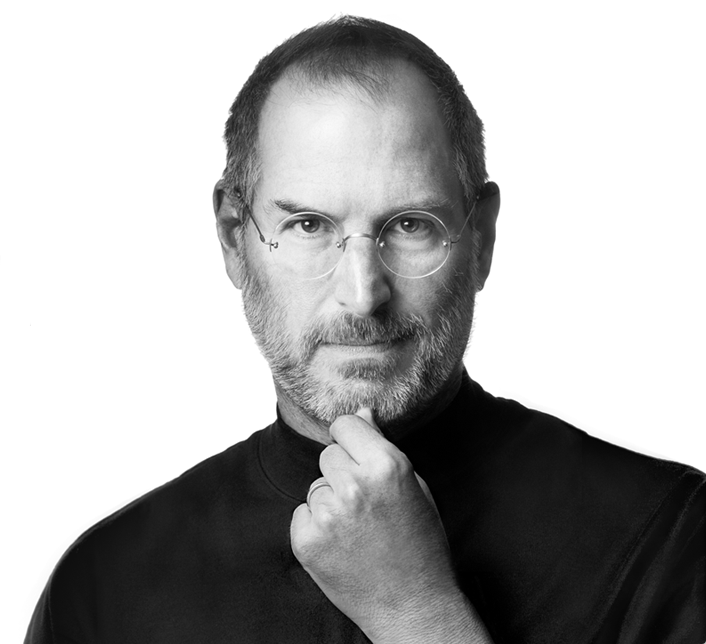
  • My business partner and co-author Orrin Woodward and I, along with the other founders of Life, are embarking on a business journey in which we seek to follow correct principles, emulate successful leaders, and make a lasting difference in the lives of people.  One leader to whom we’ve looked, and whose professional life we’ve admired, is Steve Jobs.

    T_hero Orrin and Laurie Woodward and I were landing in Newark, New Jersey yesterday on a flight home from overseas when we got the word about Jobs’ passing.  It immediately caused me to do a mental mini-review of his life. 

    Steve Jobs literally revolutionized four industries:

    1. computer industry – was initially involved in bringing personal computing to the masses, but was much more effective in making it user friendly and “cool” in the second phase of his professional life

    2. music industry – through the innovation of iTunes, which solved the “music download” controversy 

    3. movie industry – through the successful incubation and establishment of PIXAR, and the rehabilitation of Disney

    4. telecommunications industry – through the widespread popularity of the iPhone and iPad

    Steve Jobs had that rare combination of business savvy (early bursts of it, but much more effective in his later, more mature years) and creative genius. In many ways, I place him in the same category as Walt Disney, who also combined creative genius with a sense for what would work economically.  Jobs’ creativity, vision, steadfastness to a central focus, and the ability to lead and inspire his troops to fulfill and implement the above, are worthy of study by anyone seeking business greatness. Let us also not forget that Jobs was a master salesman. He had a way of connecting with “his” audience, and they in turn connected with the rest of us.  

    As I sit here at my desk in my early morning “jet-laggedness,” pondering the many wonderful people in my life, and considering the Life business journey we are about to take together, I give a hearty salute to the creative genius of Steve Jobs. May a little of his verve find its way into our venture, and may his ability to build a productive culture of enthusiastic teammates and customers be our example.

    “There is no reason not to follow your heart. Stay hungry. Stay foolish.”

    Thank you, Steve Jobs.

    (written on a Mac, of course)


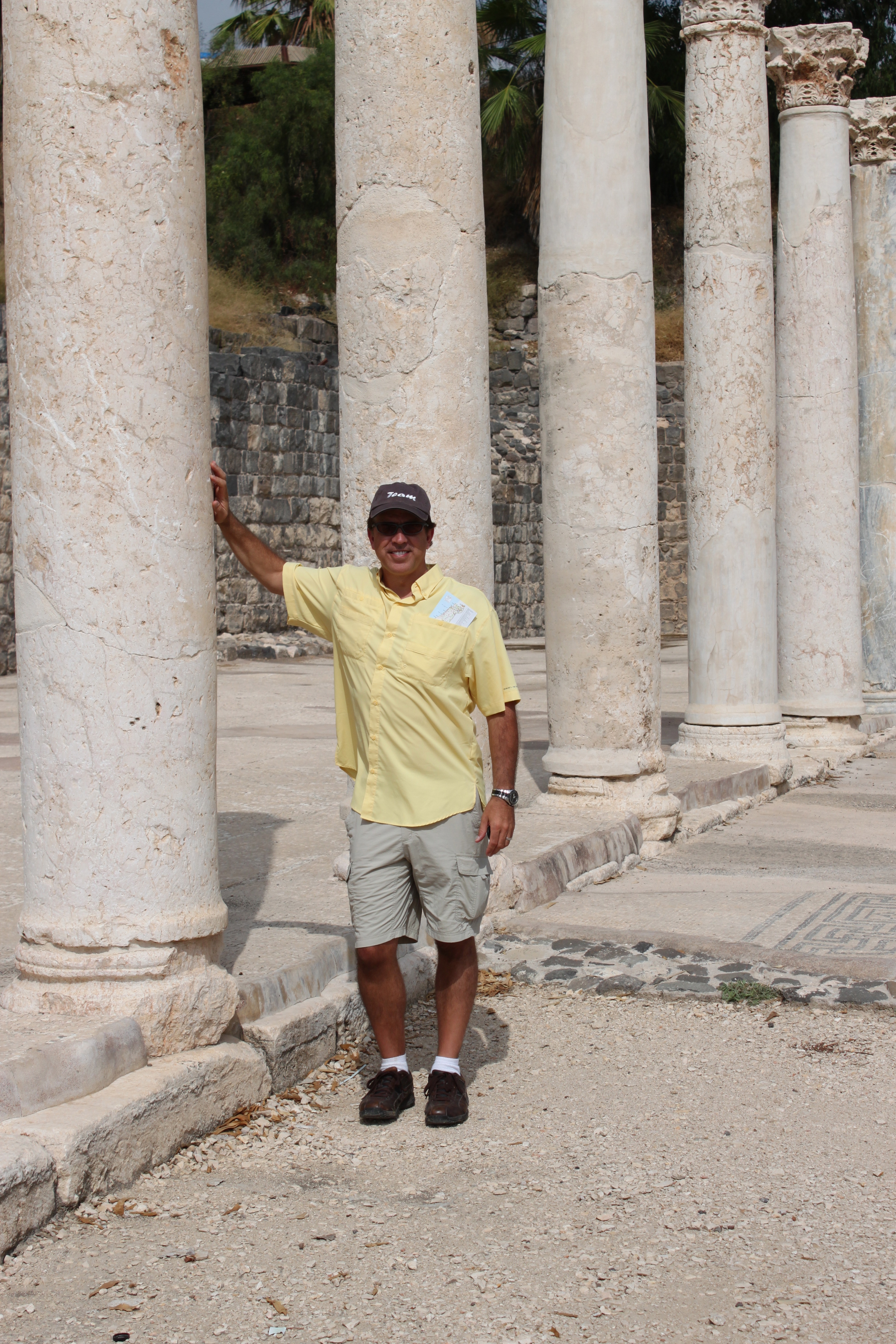
  • IMG_5179 Stone steps greet my weary feet once again, while the sun keeps up its constant beaming from above, pounding on my hat and searing my skin.  The bag on my back, though small, irritates me from long companionship, and the camera that produces the pictures I so love is an annoyance. My senses are overloaded and my brain is full.  It's been another full day of touring the Holy Land.

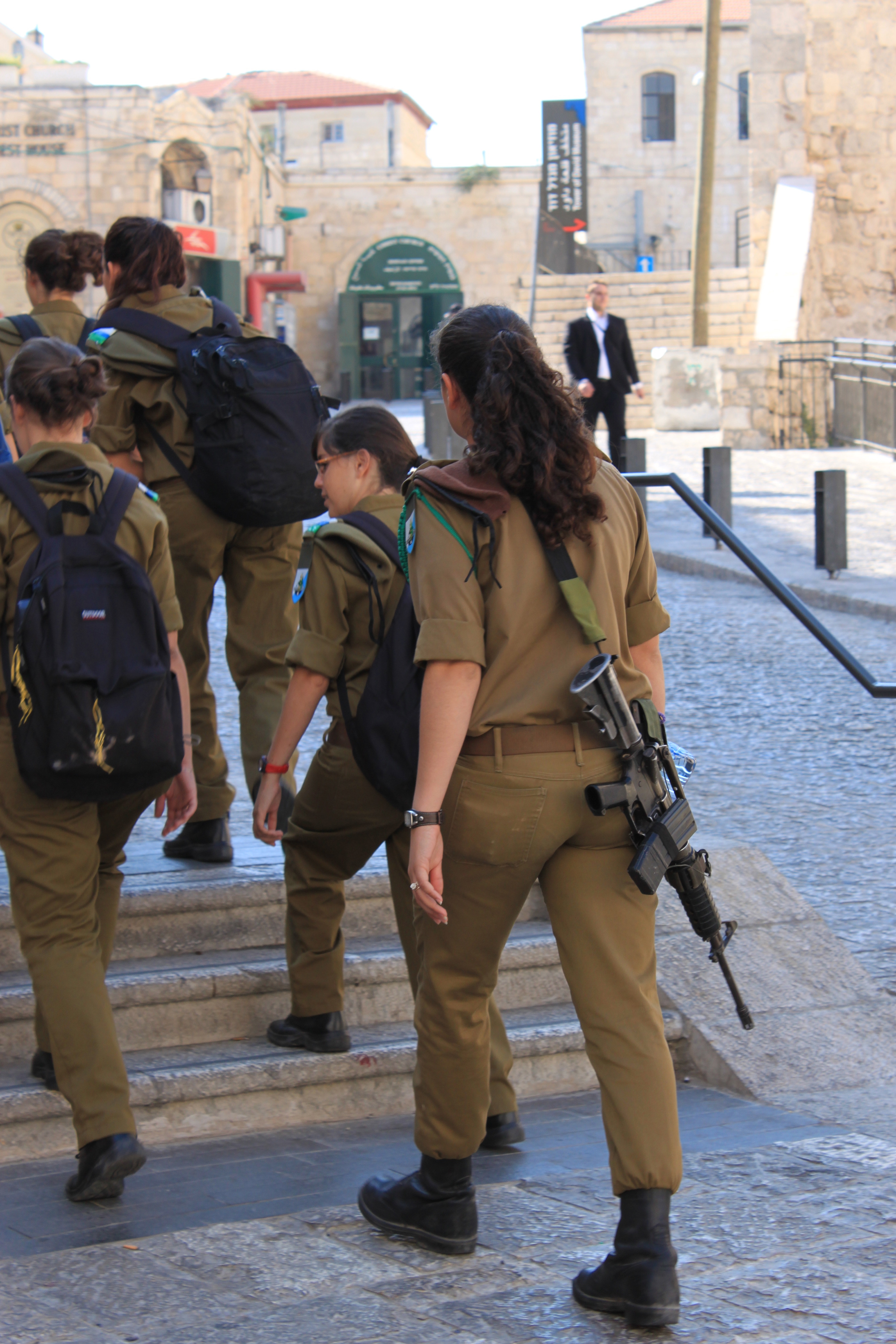
    From Dan to Beer-Sheva, and Caesarea (Maritime) to En-Giev, we've covered this land.  We swam in the Sea of Galilee and bobbed in the Dead Sea (this latter event so comical I couldn't stop giggling at the curious situation of lying on top of the water).  We've surveyed archeological digs both old and new, gathered smooth stones from the Brook of Elah where David did so to the great chagrin of Goliath, and drove to the military installations along the borders of the Golan Heights. We passed through the Palestinian checkpoint at Jericho where the soldier there (Palestinian) was watering flowers. I've seen the Israeli soldiers, many of them young girls with cute pony-tails bouncing down the backs of their uniforms, toting AR 15 machine guns as if they were shopping bags.  We have pushed through crowded, narrow market streets while the Muslim call to prayer boomed loudly from speakers mounted to minarets high above.  I've seen monks in their brown robes with white ropes, nuns in their hobbits, and beggars of several faiths.


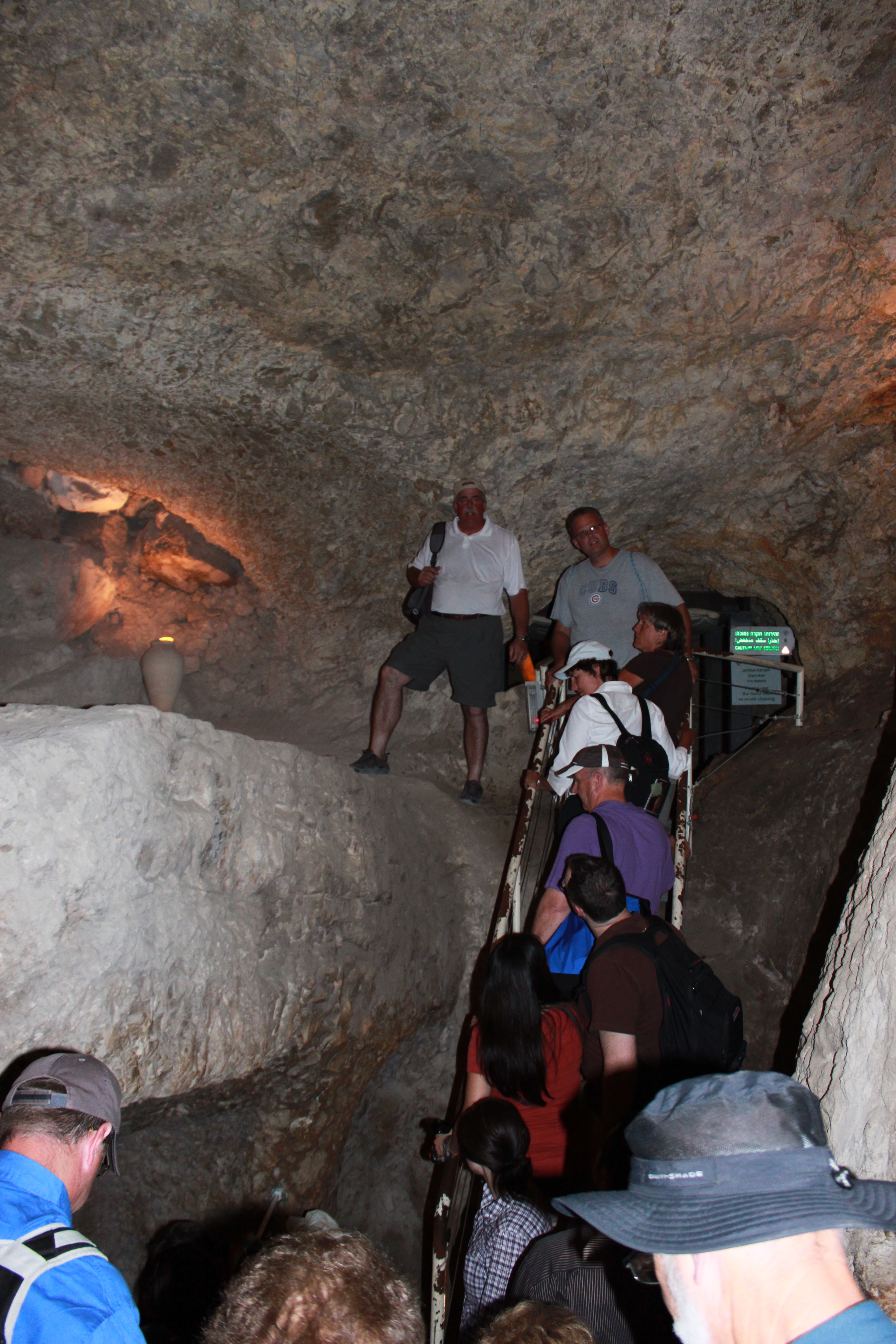
    IMG_5617 We walked into many an old church, usually constructed dead atop some Biblically important site, now entirely obliterated by the building meant to commemorate the very event it now obscures. Perhaps the most adventurous activity was wading through the narrow (and sometimes short) tunnel of Hezekiah, a 1750 foot wonder that snakes around back and forth under the old City of David and takes water from the Gihon Spring to the Pool of Siloam.  This required feet that could withstand long exposure to the cold and still flowing spring water, a flashlight, and the ability to duck repeatedly, as well as a decent ability to fight off claustrophobia.  But we all made it through, shamed by the 90 year old lady who soldiered through it with us without a word of complaint or even a slow step.  Climbing the recently unearthed ceremonial staircase from the Pool of Siloam to the Temple Mount above (way above, I might add) turned into another spelunking adventure as we ended up squeezing between ancient ashlars that framed a drainage system (at least that was our best guess).
     
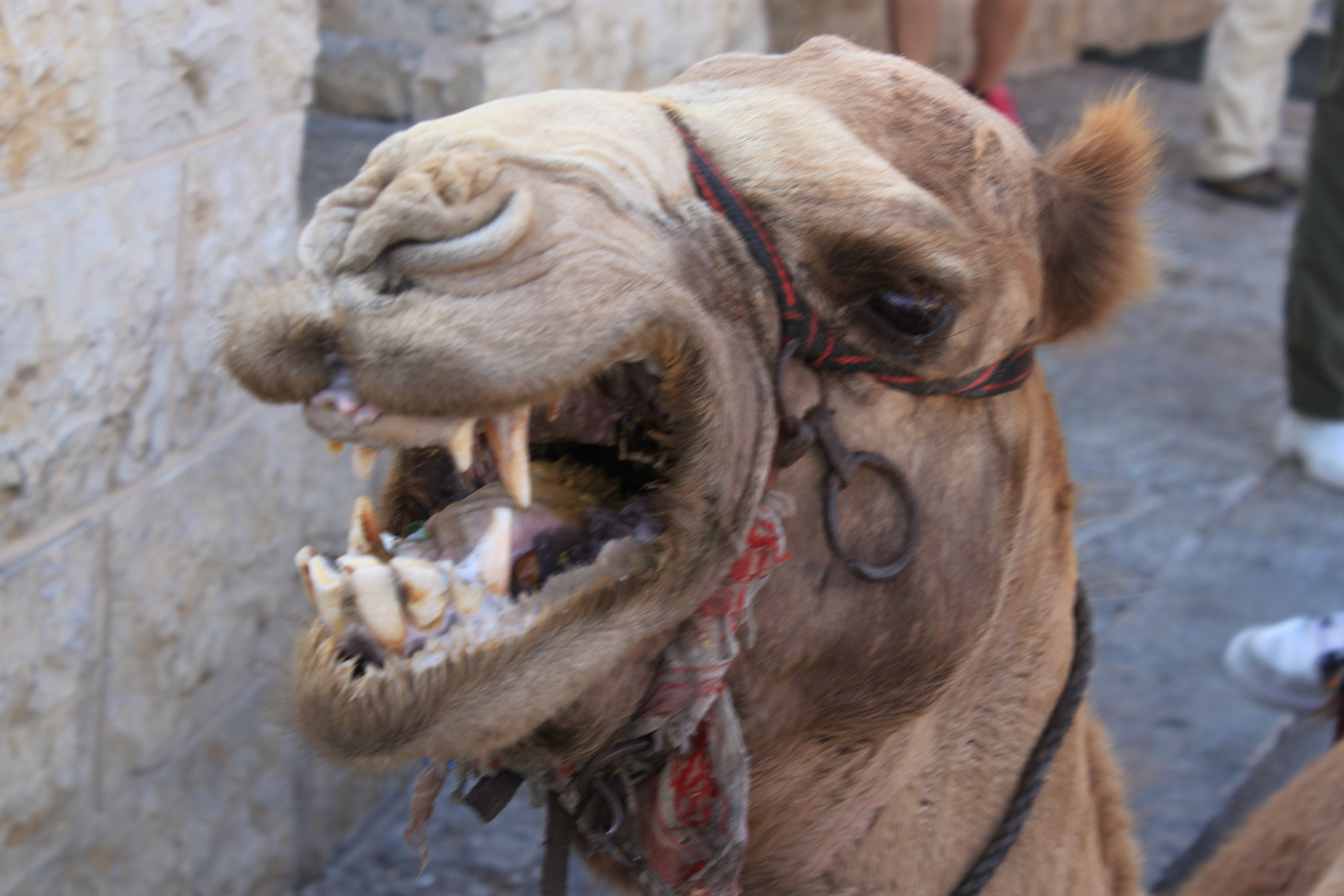
    IMG_5518 I've seen wild Ibex, commercially tamed camels one can ride for ten shekels, and prairie dogs with a fancier name which I now forget.  There have also been cats, lots of cats, loose in every nook and cranny of these old cities. But everywhere and all the time there have been people.  I have been all over the world, and have visited what I had previously believed to be some pretty crazy, diverse places.  But I must admit, never in my life have I seen anything like Israel.  Enemies exist in muted tension side by side.  Radically different faiths fight for the same commemorative soil.  Cultures crash like cars in a downtown intersection, with sounds and wounds just as loud and painful.  I work my brain like a prize fighter trying to make sense of it all.
     
    IMG_5541 Israel, chosen by God to be the intersection of the world.  Israel, today, as much as ever, upholding its duty to be the place where all the cultures flow together.
     
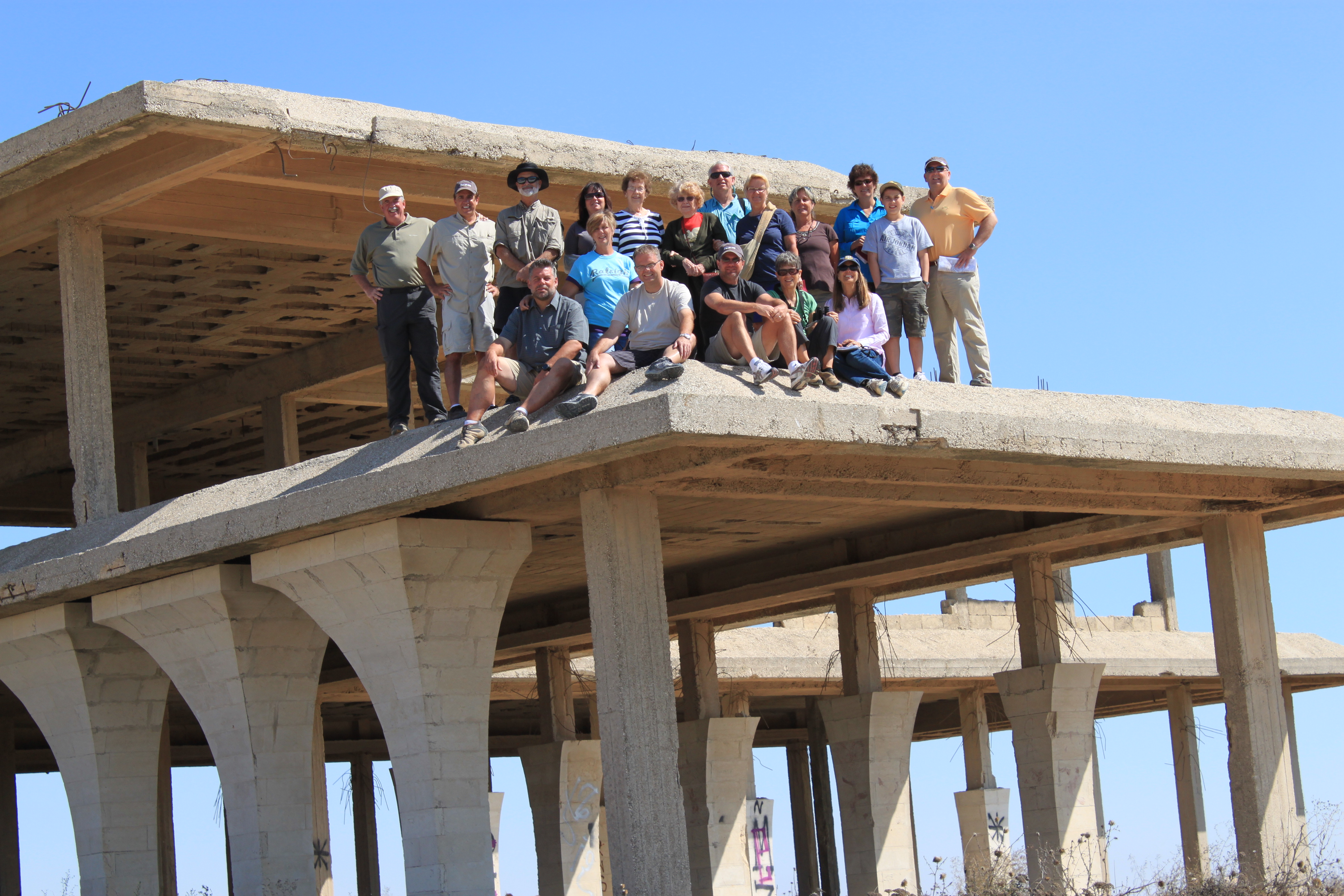
    Our trip was billed as a study tour, and study tour it has been.  Under the masterful tutelage of Dr. Doug Bookman from Shepherds Theological Seminary in North Carolina, we've been whisked around this mysterious land like the students in the classroom of Miss Frizzle, the zany but enthusiastic grade school teacher whose "Magic School Bus" transforms itself into whatever shape is needed to give the students a tactile, on-location lesson of the material being covered.  With contacts in every corner of this land, Dr. bookman has us transported up to places like the half-built and then abandoned palace of Jordan's King Husain, which was begun in 1965 but quickly abandoned with the outbreak of the Six Days War in 1967.  From it's ruined hulk, a place (to quote Dr. Bookman) where "Osha has never been," we could look out at the surrounding hills and almost see the Bible narrative that occurred there coming to life.  While we pass other tour groups in silly kerchiefs and matching hats, we sneak around where people rarely go and take a look from off the beaten path.
    IMG_5668 Another joy has been traveling with long time friend and business partner Orrin Woodward and his wife Laurie. As we learn we discuss, and review and analyze.  Learning is always more fun in concert with other minds equally enthused and invigorated with the lamp of growing understanding.  Further, we've been in cahoots with a small team of others from California, Indiana, North Carolina, and Georgia, who have been as fun as they have been adventurous.
    This tour is not over, but its days are rapidly ending. And as they close, I realize once again that the more I learn, the more there is to understand.  Further mystery is always on the other side of new understanding, and these days in Israel have opened me to more wonder than I ever could have imagined.  My appetite to study and learn even more about the foundations of my faith and the plan of God for this land is mightier than ever. My faith is stronger, my knowledge higher, and my camera fuller than when I began. And yes, my feet might throb as I drop into bed at night, but my mind races and my heart leaps at all that God has done.


  • It's been a long time since we've hosted a new caption contest, so I hope you've got your humor muscles flexed. And here's a twist: it's a video instead of a photo! The winner will Scam Orrin Woodward and me out of a copy of our best seller Launching a Leadership Revolution. Good luck!